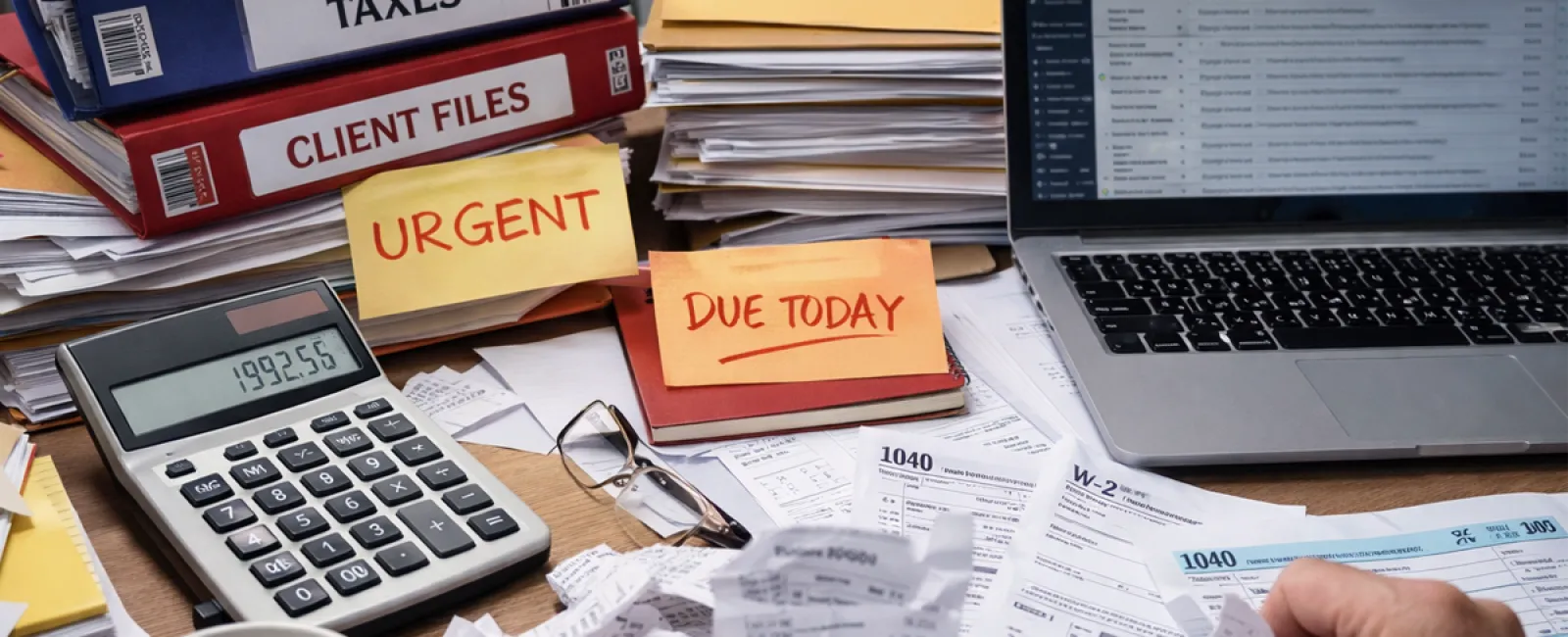
It's March — the peak of tax season.
Your accountant is overwhelmed, your bookkeeper is rushing, and deadlines are closing in fast. Emails flood your inbox quicker than anyone can handle.
Everyone's heads are down, focused solely on pushing through the month.
You know this scenario well.
But so do cybercriminals.
Security experts observe a dramatic surge in phishing attacks during tax season, with March alone seeing about a 28% spike in tax-related scam emails compared to quieter times. These scams are subtle — crafted to mimic routine business communications exactly when everyone is busiest.
This is no accident.
It's all about timing.
Here's what to expect—and four essential strategies to protect your business from becoming an easy mark.
Supply Chains Under Pressure
What many overlook:
Hackers aren't just attacking accounting departments.
They prey on the chaos that surrounds tax season.
During tax season:
- Clients hurriedly send sensitive information
- Staff bypass routine checks to keep up with demand
- "Just send me that file" replaces usual caution
- Verification steps get skipped because everyone is overwhelmed
The entire process accelerates.
And where there's haste, errors flourish.
Cybercriminals don't target calm, methodical companies.
They focus on busy, distracted businesses.
March exemplifies that busyness.
Typical Scam Scenarios
These aren't just stories.
They are emails indistinguishable from your everyday inbox traffic.
- An email from "your accountant" requesting you resend W-2s because files didn't come through
- A vendor claiming bank details changed and asking you to update payment info
- A DocuSign request demanding immediate signature on tax paperwork
- An urgent plea from "your CEO" out of town needing immediate assistance
Nothing here raises alarm bells.
They mimic how business operates in March.
That's why they succeed.
Why Busy People Fall for Scams
This isn't about carelessness.
It's the reality of human nature.
When inboxes overflow and deadlines tighten, we skim instead of reading closely, assume instead of verifying, and react quickly.
Scammers exploit this.
Their emails are engineered for distracted readers who miss subtle red flags. They don't need recklessness — they just need your attention to be divided.
In March, almost everyone is distracted.
4 Proven Steps to Outsmart Scammers
Good news: defending your business doesn't require expensive tools or expert teams.
A few deliberate habits during peak season make all the difference.
1. Always verify payment changes by phone
Got an email saying a vendor's bank info changed? Don't reply. Instead, call a verified number to confirm.
This simple practice blocks one of the costliest business scams.
2. Resist pressure to share sensitive data
Urgent requests are red flags.
If someone demands W-2s, tax forms, or financial data "right now," pause and verify.
Real senders accept delays; scammers don't.
3. Validate "urgent" demands via alternate channels
If an email screams urgency, confirm it by phone, text, or an internal message first.
Genuine emergencies withstand a quick check; scams collapse.
4. Alert your team to scam risks
Remind your staff that tax season is peak scam time.
Encourage them to slow down, verify suspicious requests, and ask questions.
This small mindset shift will stop many costly mistakes.
Final Thoughts
Tax time is stressful enough without the added burden of cyber scams.
The scams hitting inboxes this season aren't clever — just perfectly timed.
They rely on rushed decisions.
They depend on unchecked assumptions.
They exploit the rush to get through March.
You don't need a costly overhaul to stay safe.
Simply slow down and verify when something seems urgent.
Most of the time, that's enough.
Busy Season Safety Check
Your business may already have solid safeguards—and if so, that's excellent.
But if tax season often sends your team into reactive mode, or you're unsure how urgent requests are handled under pressure, consider scheduling a free Business Technology Alignment Assessment for a quick review.
No hype. No pressure. Just clear advice on how small changes can prevent big headaches this tax season.
If this message doesn't fit your business, please share it with someone who might benefit.
Click here or give us a call at (646) 989-9900 to schedule your free Business Technology Alignment Assessment.