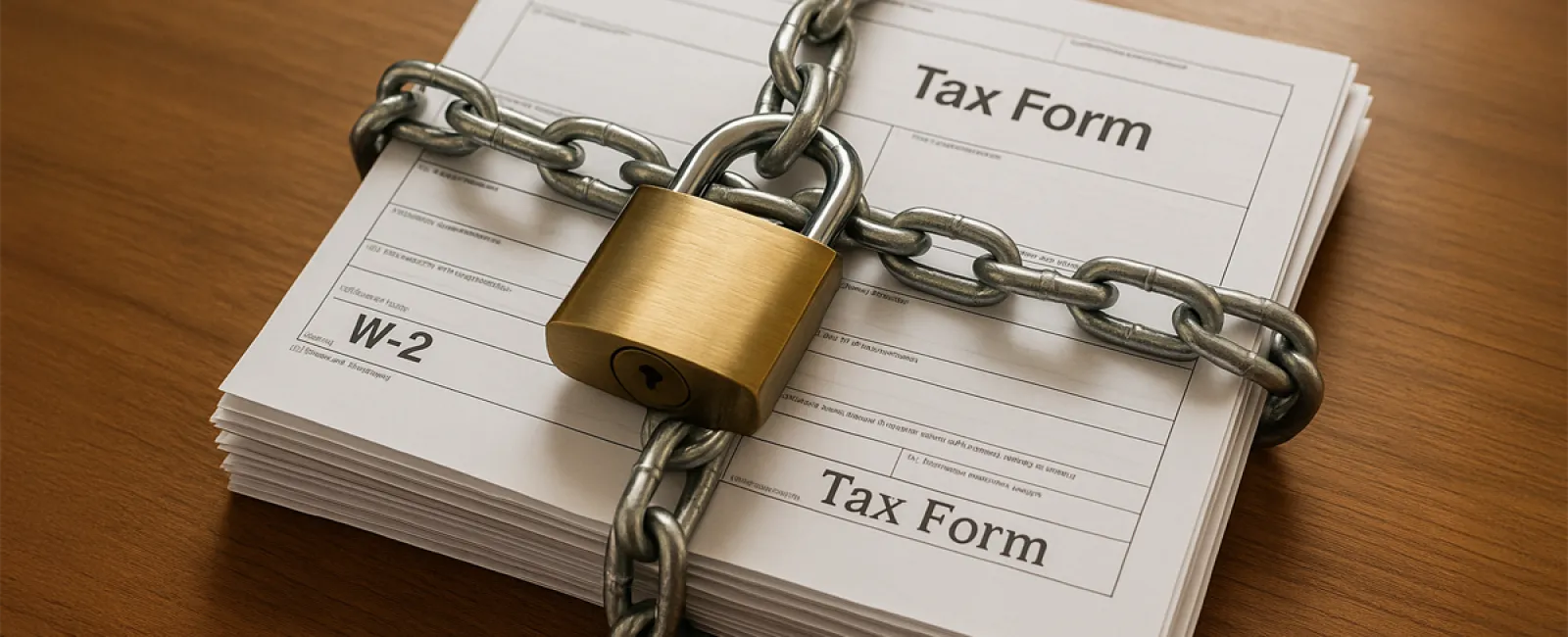
February signals the start of the hectic tax season. Accountants are swamped, bookkeepers scramble to gather documents, and everyone is focused on W-2s, 1099s, and looming deadlines.
Yet, the real tax season challenge? It's rarely a tax form. It's a deceptive scam targeting small businesses early on.
This scam often arrives even before April, sneaking straight into your inbox with a convincing approach.
Inside the W-2 Scam: What You Need to Know
Here's how the fraud unfolds:
An employee, typically someone managing payroll or HR, gets an email that appears to be from the CEO, owner, or an executive.
The email is brief but urgent:
"I need all employee W-2s for an urgent accountant meeting. Can you send them ASAP? Today is crazy busy."
The request sounds legitimate. The tone is credible. With tax season's fast pace, the demand for urgency seems natural.
The employee complies and sends the W-2s.
But the catch? The email wasn't from the real CEO—it was from a cybercriminal using a spoofed address or a mimic domain.
That criminal now holds every employee's:
• Legal full name
• Social Security number
• Home address
• Salary details
All crucial information for identity theft and fraudulent tax filings.
What Happens After the Scam?
Typically, victims discover the breach when:
An employee attempts to file taxes, only to get a rejection due to "Return already filed for this Social Security number."
Someone else has already filed using their identity, claimed refunds, and taken the money.
Now, your employee faces IRS complications, credit monitoring, identity theft safeguards, and months of tedious paperwork—all stemming from a seemingly harmless email.
Multiply this risk by your entire payroll, and you're looking at a severe breach of trust, HR challenges, legal risks, and reputational damage.
Why This Scam is So Effective
This isn't your typical obvious scam message.
It succeeds because:
• Perfect Timing: W-2 requests are expected in February; it's normal to receive them.
• Reasonable Request: Unlike outrageous demands, W-2s are commonly shared.
• Natural Urgency: "I'm slammed today, can you send quickly?" feels familiar in busy offices.
• Trusted Appearance: Fraudsters research your company and mimic real names and domains.
• Compliance Driven Employees: The wish to assist superiors leads staff to act without questioning.
Steps to Safeguard Your Business Before a Scam Hits
The silver lining: You can stop this scam by combining policy with strong workplace culture, not just technology.
1. Enforce a strict "No W-2s via Email" policy. No exceptions. Sensitive payroll documents shouldn't leave your premises via attachments—ever. If requested by email, even from your CEO, say no.
2. Validate sensitive requests through a separate channel—call, meet in person, or use trusted chat platforms. Never just reply to the email. Confirm with known contacts using existing phone numbers. Taking 30 seconds can save months of recovery.
3. Hold a brief tax scam awareness session now. Don't wait for attack season. Educate payroll and HR: share what these scams look like and how to respond. Awareness is your best inexpensive defense.
4. Secure payroll and HR systems with multi-factor authentication (MFA) to protect employee data. MFA acts as a critical last line of defense if credentials are compromised.
5. Foster a company culture where verification isn't viewed as doubt but as diligence. Praise employees who double-check dubious requests. When cautious behavior is encouraged, scam attempts are quickly exposed.
These five simple measures are easy to implement this week—and powerful enough to foil initial scam waves.
Looking at the Bigger Tax Scam Landscape
The W-2 scam is just the beginning.
From now through April, expect various tax-related cyber threats like:
• Fake IRS notices demanding instant payment
• Phishing emails pretending to be tax software updates
• Spoofed communications from "your accountant" containing harmful links
• Fraudulent invoices disguised as legitimate tax expenses
Criminals exploit the frenzied tax season when financial requests feel routine, making businesses vulnerable.
Successful companies aren't lucky—they've established policies, trained their teams, and have systems ready to detect suspicious activities before damage occurs.
Is Your Business Prepared?
If your team already follows strong policies and knows the threats, you're ahead of most small businesses.
If not, now's the time to act—don't wait for your first scam incident.
Feeling unsure? Schedule a quick 15-minute Tax Season Security Check with us.
We'll assess:
• Payroll and HR access controls including MFA
• Your processes for verifying W-2 requests
• Email safeguards against spoofing
• A critical policy adjustment many miss
If you feel confident, great—but maybe share this article with another business owner who could benefit. It could spare them a costly headache.
Click here or give us a call at (646) 989-9900 to schedule your free Business Technology Alignment Assessment.
Because tax season is stressful enough without the nightmare of identity theft.